Learn how Maltogenic Amylase supports clean-label freshness positioning in bread and bakery systems by helping maintain crumb softness, resilience, and eating quality through shelf life.
Clean-label bakery is no longer a niche brief. It is a commercial requirement: recognizable ingredient statements, dependable eating quality, fewer formulation compromises, and shelf life that holds up across distribution.
Maltogenic Amylase helps bakeries pursue that balance. Used with formulation discipline, it supports soft, resilient crumb over time while allowing brands to evaluate reductions in certain conventional freshness aids. The result is not a cosmetic label story. It is a technical freshness strategy built around how bread actually stales, written here for bakery manufacturers, improver blenders and the distributors who supply them.
Buying in bulk? Send the product you make, the quantity and the destination country; pricing and pack are quoted per order. Request a quote
Bread freshness is judged sensorially long before it is discussed technically. Buyers, consumers, and QA teams notice:
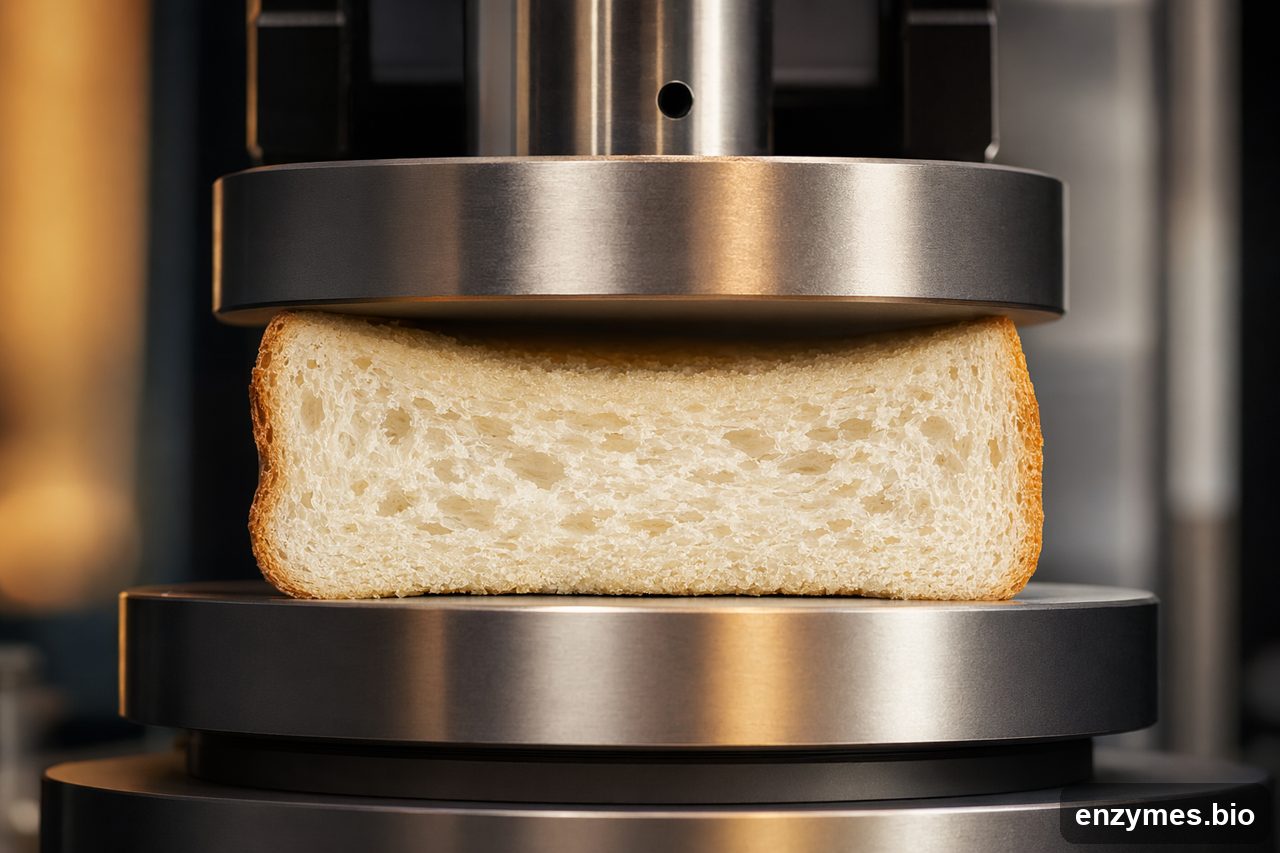
Traditional freshness systems often rely on blends of emulsifiers, softeners, preservatives, and improvers. Some remain useful. But many bakery brands now want a more focused ingredient statement and a freshness approach that can be explained with confidence.
Maltogenic Amylase gives R&D teams a precise tool for this conversation because its value is tied to starch behavior, not masking.
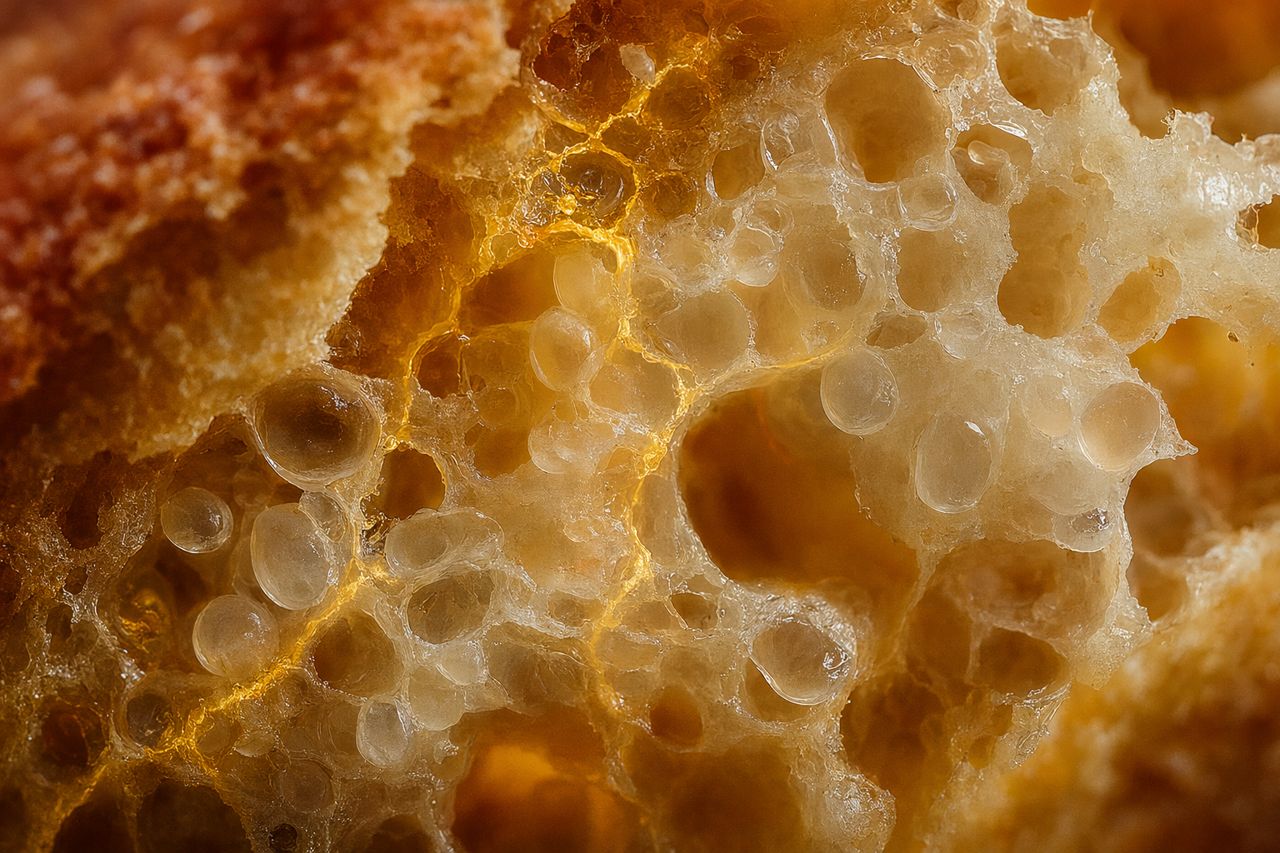
During baking, starch gelatinizes and sets the structure of the crumb. After baking, that starch gradually reorganizes. This process contributes to firmness, dryness perception, and loss of pliability.
Maltogenic Amylase acts on starch-derived chains in a controlled way, helping slow the changes associated with crumb firming. In practical bakery language, it can help maintain:
It is especially relevant in high-volume pan bread, buns, rolls, sandwich carriers, tortillas, sweet baked systems, and other products where softness is a purchase driver.
Maltogenic Amylase can support clean-label and label-friendly development, but the right claim language depends on market, product type, processing conditions, and local regulations.
For many bakeries, the commercial opportunity is not a single claim. It is the ability to redesign the freshness system around a lower-input, more functional approach. Depending on the formulation, Maltogenic Amylase may help teams evaluate:
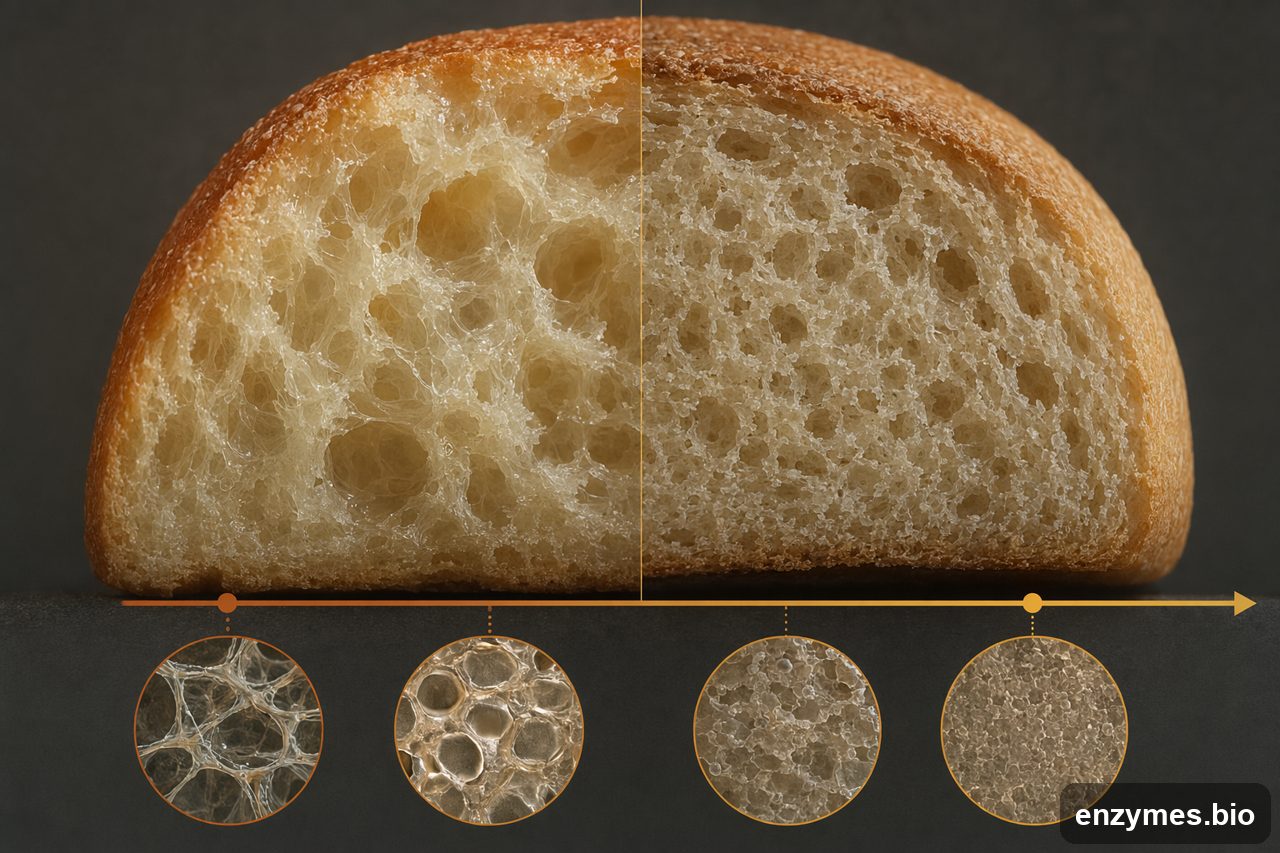
Maltogenic Amylase Solutions does not treat clean label as decoration. We treat it as a product-development constraint: the loaf must still slice, ship, flex, toast, and eat well.
Maltogenic Amylase is usually evaluated as part of the broader dough system. Its performance can be influenced by flour quality, hydration, sugar level, fat system, fermentation profile, baking conditions, and packaging.
Common application areas include:
Supports long-code softness and a more resilient slice structure. Particularly useful where consumers expect a soft, fine crumb from first slice to last.
Helps maintain compressibility and bite quality through distribution, including products that are handled, stacked, or served in foodservice conditions.
Can contribute to tenderness and delayed firming in systems with higher sugar, fat, or inclusions, where freshness perception is central to repeat purchase.
May help preserve pliability and reduce breakage perception, depending on formulation and process design.
For procurement, Maltogenic Amylase is not just a line item. It is a risk-control ingredient tied to shelf life, waste reduction, and product consistency.
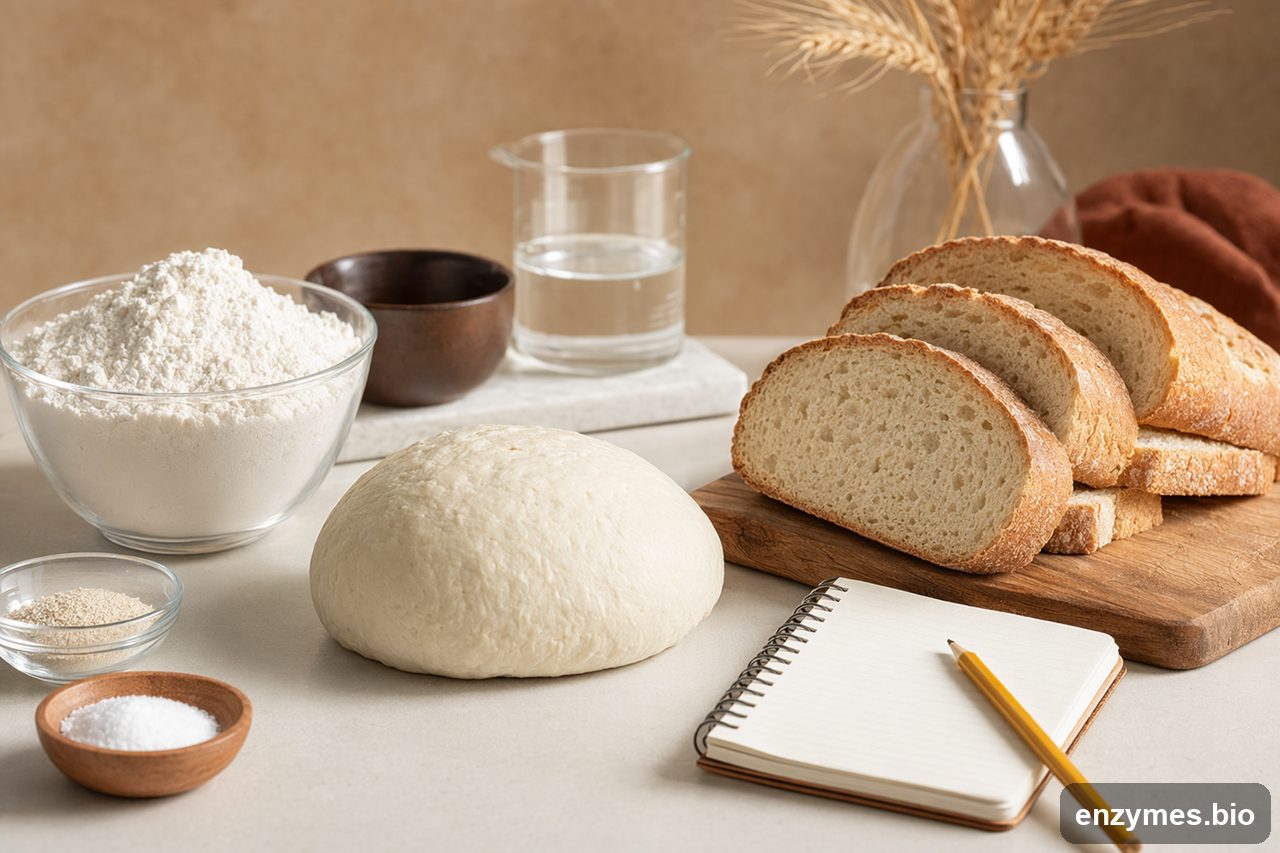
When qualifying supply, focus on practical buying criteria:
Avoid evaluating only on price per kilogram. The useful comparison is performance per finished loaf, bun, roll, or slice over the intended code life.
A good Maltogenic Amylase trial should measure more than day-one softness. Day-one performance can be misleading because freshness ingredients often separate themselves later in shelf life.
Recommended evaluation points include:
The goal is a controlled freshness curve: soft enough to delight, structured enough to slice, and stable enough to survive real distribution.
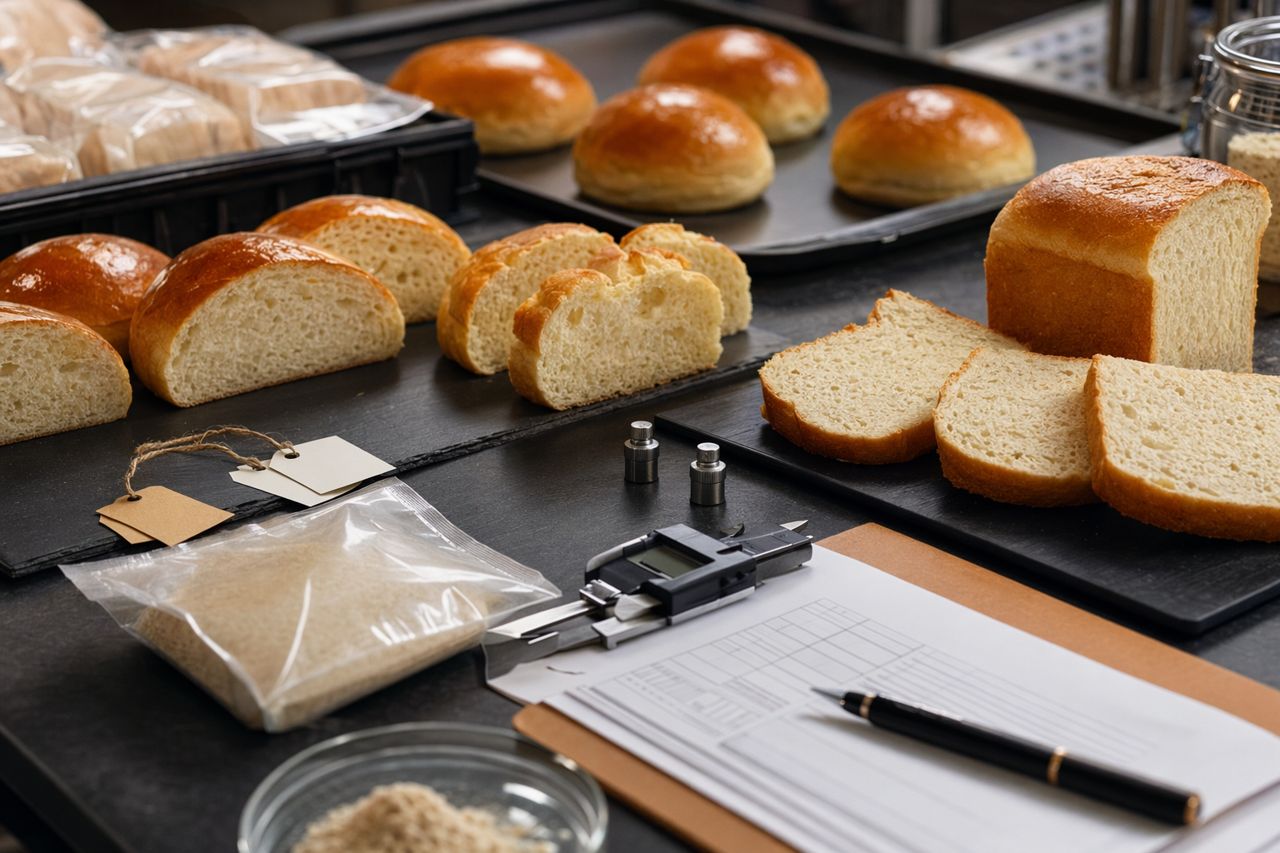
Clean-label freshness only works if the eating experience supports the story. Maltogenic Amylase can help preserve the sensory cues consumers associate with recently baked bread:
This is where technical performance becomes brand value. A cleaner ingredient statement may invite trial, but softness keeps the product in the basket.
Maltogenic Amylase is powerful and should be balanced carefully. Overuse or poor system fit can create unwanted softness, tackiness, or a gummy eating profile. It should be screened alongside flour variation, process conditions, oxidizing or reducing systems, emulsifier strategy, mold-control approach, and packaging.
For best results, define the target eating profile first. Then design the enzyme system to support that profile through the actual code life, not only at the production bench.
Ingredient declaration and processing-aid treatment vary by jurisdiction and finished-product context. Maltogenic Amylase Solutions recommends reviewing any label, claim, or clean-label communication with your regulatory team before launch.
We can support technical discussions with product documentation, application guidance, and procurement-ready supply information for bakery development teams.
If your team is reformulating bread, buns, rolls, or flexible bakery carriers for cleaner positioning, Maltogenic Amylase can be a practical route to softness and shelf-life confidence.
Use it to make the product feel fresher for longer, not to make a weak formula look modern.
Maltogenic Amylase Solutions supplies maltogenic amylase wholesale to bakery manufacturers, improver and premix blenders, and ingredient distributors. Use the inquiry form on this page with your bakery format, current freshness system, quantity per order or per month, and destination country. Pricing, pack format and lead time are quoted per order. Request a quote

Tell us your application and volume — we reply with pricing and lead time.
We have received your message. We will reply by email.